The Hidden Cost of Street Litter: Environmental and Health Implications for Urban Communities
Understanding how accumulated waste affects our cities, wildlife, and well-being — and why clean public spaces matter more than you think.
Walk through any urban area, and you'll likely encounter the familiar sight of street litter — discarded wrappers, plastic bottles, cigarette butts, and various debris scattered across sidewalks and public spaces. While it may seem like a minor aesthetic issue, the reality is far more serious. Street litter and accumulated debris represent a significant environmental and public health challenge that affects everything from local ecosystems to property values and community well-being.
Recent research has revealed surprising connections between the cleanliness of public spaces and broader societal outcomes. Clean streets aren't just about appearances — they're about creating healthier, safer, and more prosperous communities. This article examines the multifaceted impact of street litter on urban environments and explores why investing in clean public spaces yields returns that extend far beyond simple tidiness.
From clogged stormwater systems to affected wildlife populations, from mental health implications to economic consequences, the true cost of street litter is both extensive and often overlooked. Understanding these impacts is the first step toward building cleaner, more sustainable urban environments for everyone.
The Stormwater Crisis: How Litter Clogs Our Urban Infrastructure
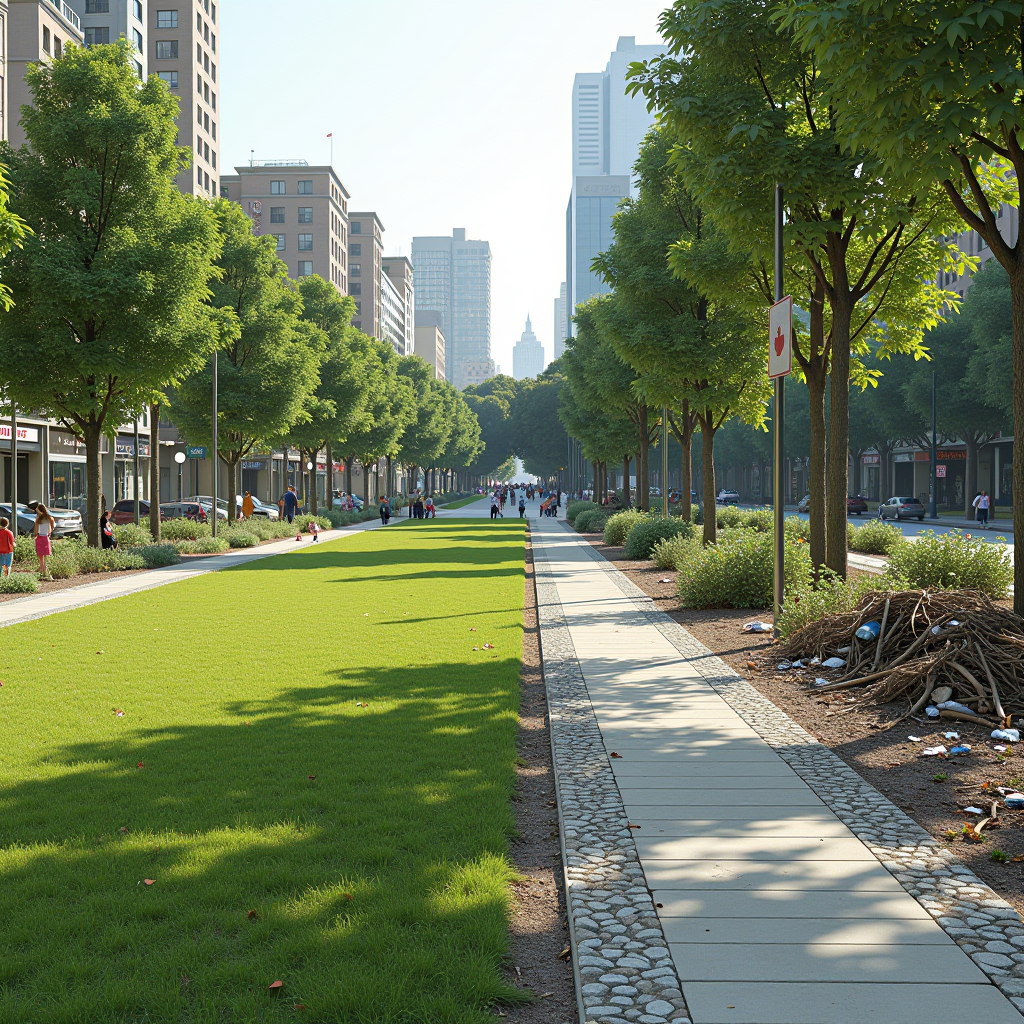
One of the most immediate and costly impacts of street litter is its effect on urban stormwater systems. When debris accumulates on streets and sidewalks, it doesn't simply stay in place — rain and runoff carry this waste directly into storm drains, creating a cascade of problems that affect entire communities.
Municipal stormwater systems are designed to handle rainwater, not solid waste. When plastic bags, bottles, food wrappers, and other debris enter these systems, they create blockages that can lead to localized flooding during heavy rainfall. Cities spend millions of dollars annually clearing storm drains and repairing damage caused by litter-related blockages. In some urban areas, up to 80% of storm drain maintenance issues are directly related to accumulated debris.
"A single plastic bag in a storm drain can block water flow equivalent to several hundred gallons per minute, turning a manageable rainfall into a neighborhood flooding event."
Beyond the immediate infrastructure concerns, litter in stormwater systems creates serious environmental problems. As debris breaks down, it releases chemicals and microplastics that contaminate water supplies. These pollutants eventually make their way into rivers, lakes, and oceans, affecting aquatic ecosystems far beyond the urban areas where the litter originated. Studies have shown that urban runoff contaminated with street debris is a leading source of ocean plastic pollution.
The economic impact is staggering. Cities that invest in regular street cleaning and litter prevention programs spend significantly less on emergency storm drain maintenance and flood damage repair. For every dollar spent on proactive street cleaning, municipalities save an estimated three to five dollars in reactive infrastructure maintenance and flood mitigation costs.
Urban Wildlife at Risk: The Ecological Consequences of Street Debris
While we often think of wildlife as existing primarily in natural habitats, urban areas support surprisingly diverse ecosystems. Birds, small mammals, insects, and even larger animals like foxes and deer navigate city streets and parks daily. For these creatures, street litter represents a serious and often deadly hazard.
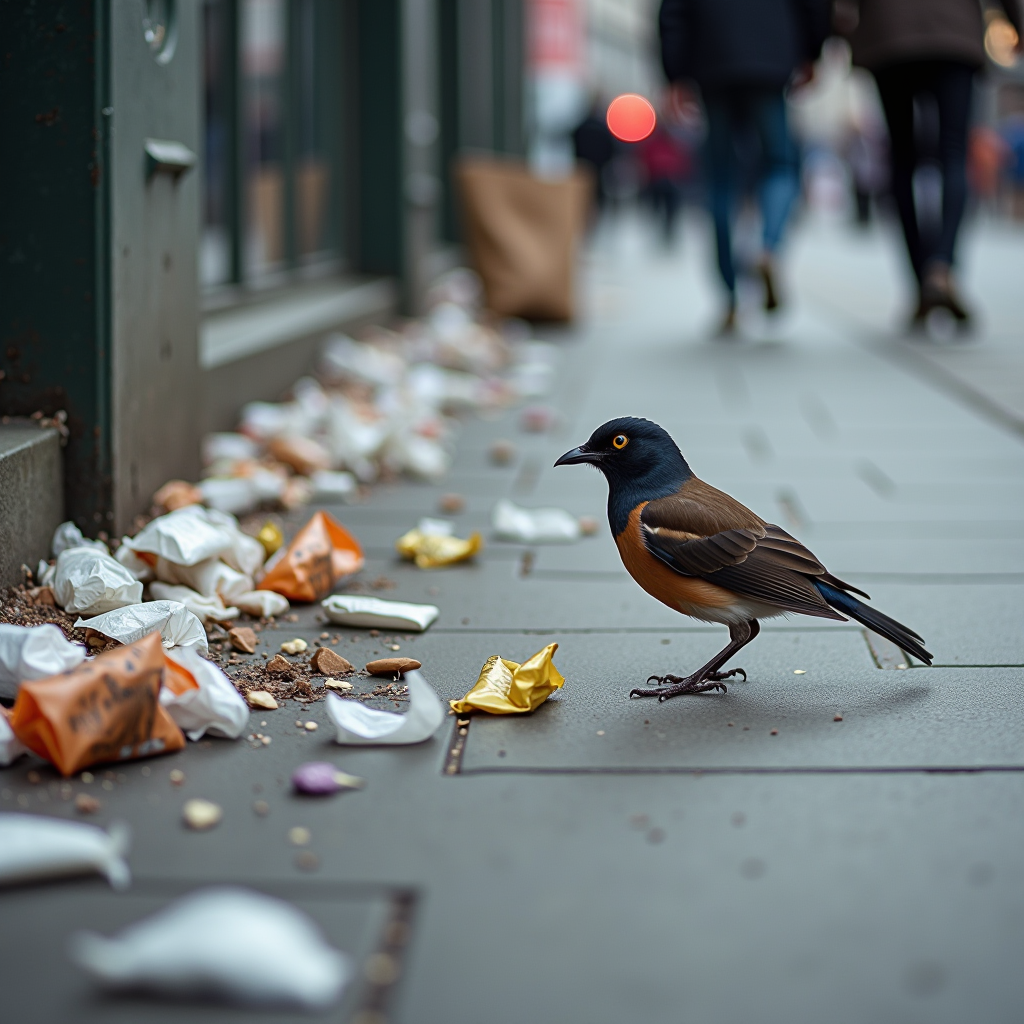
Food wrappers and containers attract animals seeking easy meals, but these items often contain harmful substances or create dangerous situations. Birds can become entangled in plastic six-pack rings or fishing line discarded on streets. Small mammals may ingest plastic fragments or toxic materials while foraging through trash. Even beneficial insects like bees and butterflies can be affected when litter disrupts their natural foraging patterns or introduces harmful chemicals into their environment.
Research conducted in several major cities has documented the impact of street litter on urban bird populations. Species that typically feed on insects and seeds have been found with plastic fragments in their digestive systems, leading to malnutrition and reduced reproductive success. In some urban areas, bird populations have declined by up to 30% in neighborhoods with high levels of street litter compared to cleaner areas.
The problem extends beyond individual animals to entire ecosystems. When predator species decline due to litter-related issues, prey populations can explode, creating imbalances that affect vegetation and other aspects of the urban environment. Similarly, when pollinator populations are affected by street debris and associated chemicals, it impacts urban gardens, street trees, and green spaces that depend on these insects.
Addressing street litter isn't just about human comfort — it's about maintaining the ecological balance that makes urban areas livable. Cities with robust street cleaning programs and active litter prevention initiatives report healthier urban wildlife populations and more resilient local ecosystems. These benefits extend to human residents as well, as healthy urban ecosystems provide natural pest control, pollination services, and psychological benefits from observing wildlife.
Public Health Implications: The Direct Link Between Clean Streets and Community Wellness
The connection between environmental cleanliness and public health has been recognized for centuries, but recent research has revealed just how significant this relationship is in modern urban contexts. Street litter and accumulated debris create multiple pathways for disease transmission and contribute to various health problems that affect entire communities.
Accumulated trash provides breeding grounds for disease-carrying pests including rats, mosquitoes, and flies. Standing water in discarded containers becomes a perfect habitat for mosquito larvae, increasing the risk of vector-borne diseases like West Nile virus and dengue fever. Rodent populations thrive in areas with abundant food waste, bringing with them the risk of diseases like leptospirosis and hantavirus. Public health officials have documented direct correlations between neighborhood litter levels and incidence rates of pest-related diseases.
Beyond disease transmission, street litter affects respiratory health. As debris breaks down, it releases particulate matter and chemical compounds into the air. Plastic waste, in particular, degrades into microplastics that become airborne and can be inhaled. Studies have shown elevated levels of respiratory complaints in neighborhoods with high levels of street litter, particularly affecting children and elderly residents who are most vulnerable to air quality issues.
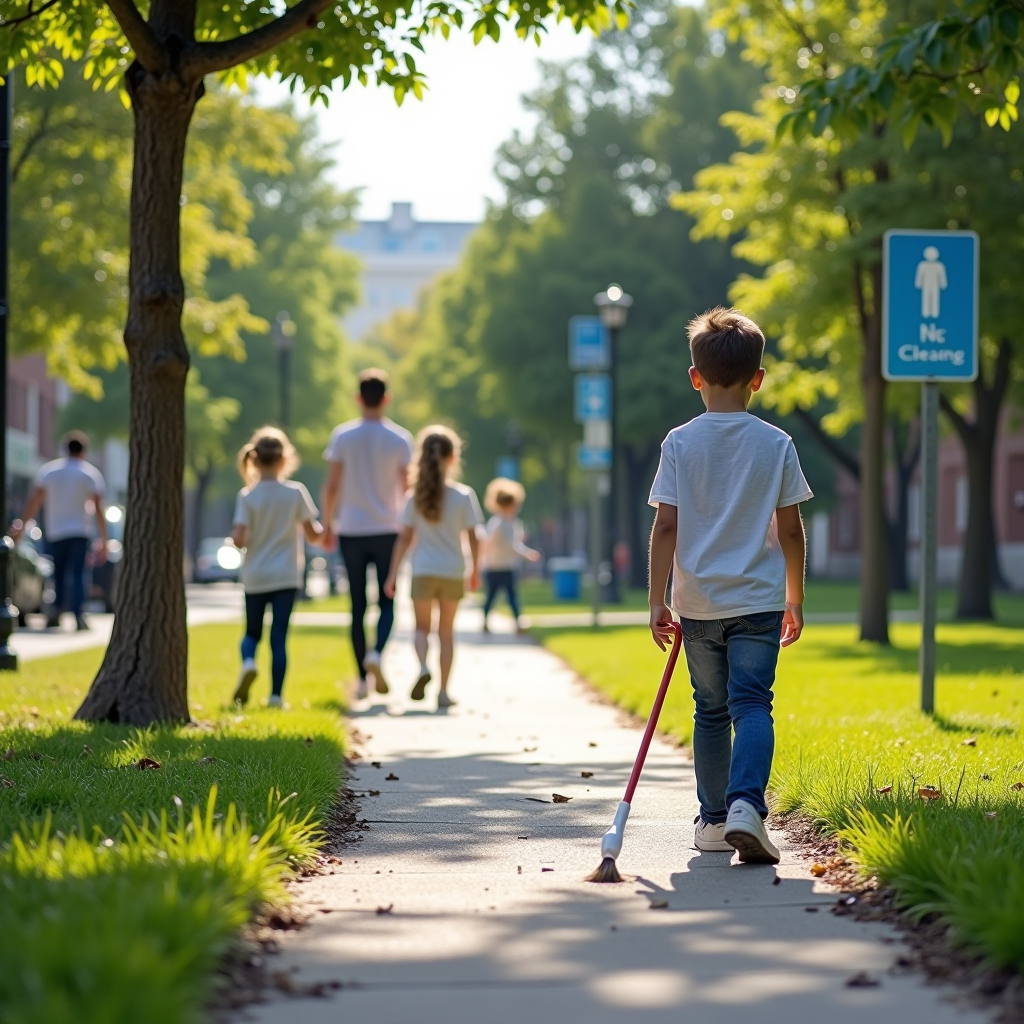
The mental health impacts of living in littered environments are equally significant. Research in environmental psychology has consistently shown that exposure to disordered, dirty environments increases stress levels and contributes to feelings of anxiety and depression. Residents of neighborhoods with high litter levels report lower life satisfaction and higher rates of mental health issues compared to those in cleaner areas, even when controlling for other socioeconomic factors.
Clean streets also encourage physical activity, which has cascading health benefits. When public spaces are clean and well-maintained, people are more likely to walk, jog, and engage in outdoor activities. This increased physical activity contributes to better cardiovascular health, weight management, and overall wellness. Conversely, littered streets discourage outdoor activity, contributing to sedentary lifestyles and associated health problems.
The Broken Windows Effect: How Clean Streets Reduce Crime and Improve Safety
One of the most compelling findings in urban sociology is the relationship between environmental disorder and crime rates. The "broken windows theory," first proposed in the 1980s, suggests that visible signs of disorder and neglect — including litter and debris — signal that an area lacks social control, potentially encouraging criminal behavior. Decades of research have largely validated this theory, revealing strong correlations between street cleanliness and public safety.
Multiple studies across different cities have documented significant reductions in both minor and serious crimes following intensive street cleaning and litter removal programs. In one notable example, a major metropolitan area that implemented a comprehensive street cleaning initiative saw a 15% reduction in property crimes and a 12% reduction in violent crimes over a three-year period. While street cleaning alone wasn't the only factor, researchers identified it as a significant contributor to the overall improvement in public safety.
"Clean streets send a powerful message: this community cares about its environment and watches over its public spaces. That message alone can deter criminal activity and encourage positive social behavior."
The mechanism behind this effect is multifaceted. Clean, well-maintained public spaces increase foot traffic as more people feel comfortable using these areas. This increased presence of law-abiding citizens creates natural surveillance that deters criminal activity. Additionally, the visible investment in maintaining public spaces signals that the community and authorities are actively engaged, making potential offenders think twice about illegal activities.
Beyond crime statistics, clean streets contribute to perceptions of safety that are equally important for community well-being. Surveys consistently show that residents feel safer in clean neighborhoods, even when actual crime rates are similar to less clean areas. This perception of safety encourages people to spend more time in public spaces, strengthening community bonds and creating the kind of social cohesion that naturally resists criminal activity.
The economic implications are substantial. Reduced crime rates lead to lower law enforcement costs, decreased insurance premiums, and increased business activity. Property owners in cleaner neighborhoods report fewer incidents of vandalism and theft, reducing security costs and property damage expenses. These savings can be reinvested in further community improvements, creating a positive cycle of enhancement and safety.
Property Values and Economic Vitality: The Financial Case for Clean Streets
While the environmental and social benefits of clean streets are compelling, the economic arguments may be even more persuasive for policymakers and property owners. Research consistently demonstrates that street cleanliness has a measurable impact on property values, business activity, and overall economic vitality of neighborhoods.
Real estate studies have documented property value premiums of 5-15% in neighborhoods with consistently clean streets compared to similar areas with higher litter levels. This premium applies to both residential and commercial properties, representing significant wealth creation for property owners and increased tax revenue for municipalities. In one comprehensive study covering multiple cities, researchers found that each 10% improvement in street cleanliness ratings corresponded to approximately a 2% increase in median property values.

Commercial districts particularly benefit from clean streets. Retail studies show that shoppers spend more time and money in clean, well-maintained commercial areas. Restaurants with outdoor seating in clean environments report higher customer satisfaction and increased revenue compared to similar establishments in littered areas. Business owners consistently cite street cleanliness as a top factor in location decisions, with many willing to pay premium rents for spaces in well-maintained districts.
Tourism and visitor spending also correlate strongly with street cleanliness. Cities known for clean, well-maintained public spaces attract more tourists and convention business, generating substantial economic activity. Conversely, visible litter and debris can damage a city's reputation, deterring visitors and the spending they bring. Tourism industry research suggests that street cleanliness ranks among the top five factors influencing destination choice for leisure travelers.
The return on investment for street cleaning programs is remarkably strong. While municipalities must invest in equipment, personnel, and ongoing operations, the economic benefits typically far exceed these costs. Increased property values generate higher tax revenues, reduced crime lowers law enforcement expenses, and improved public health decreases healthcare costs. Economic analyses suggest that comprehensive street cleaning programs can generate returns of $3-7 for every dollar invested when all direct and indirect benefits are considered.
Forward-thinking cities are recognizing these economic benefits and investing accordingly. Some municipalities have implemented innovative financing mechanisms, such as special assessment districts where property owners contribute to enhanced cleaning services in exchange for the property value increases these services generate. These programs demonstrate that clean streets aren't just an expense — they're an investment in community prosperity and economic development.
Building Cleaner, Healthier Urban Futures
The evidence is clear: street litter and accumulated debris represent far more than a cosmetic problem. From clogged stormwater systems to affected wildlife, from public health concerns to crime rates and property values, the impacts of street litter ripple through every aspect of urban life. Understanding these connections is essential for building the clean, healthy, prosperous cities we all deserve.
The good news is that solutions exist and are being implemented successfully in cities around the world. Innovative street cleaning technologies, community engagement programs, and smart urban design are all contributing to cleaner public spaces. From traditional street sweepers to modern eco-friendly vacuum systems, the tools for maintaining clean streets continue to improve in efficiency and environmental sustainability.
Individual actions matter too. Every piece of litter properly disposed of, every community cleanup event attended, and every conversation about the importance of clean streets contributes to positive change. When communities come together around the shared goal of maintaining clean public spaces, the benefits extend far beyond the immediate visual improvements.
As we look to the future, the challenge of maintaining clean urban environments will only grow more important. With increasing urbanization and environmental pressures, our cities need innovative solutions and sustained commitment to cleanliness. By recognizing the true cost of street litter and investing in comprehensive solutions, we can create urban environments that are healthier, safer, more prosperous, and more sustainable for generations to come. The future of clean streets starts with understanding why they matter — and taking action today to make them a reality.
Join the Movement for Cleaner Streets
Help us build a cleaner tomorrow by supporting innovative solutions for urban cleanliness. Together, we can create healthier, more vibrant communities for everyone.